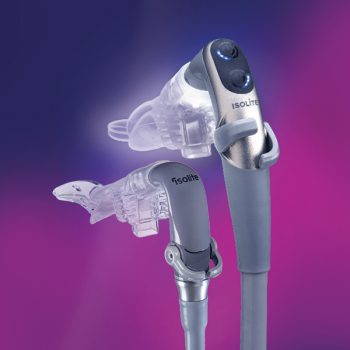

Isolite® for pediatrics?
Before most practices that treat children invest in the Isolite System, there are questions. Does it actually deliver? And does the investment make sense?
Both are fair. Both have answers.
Here’s what the evidence shows.
Two Questions Worth Answering Honestly
Most dentists who invest in Isolite say the same thing after. They wish they had done it sooner. But before they got there, they had two questions that needed honest answers.
Actual answers from pediatric dentists who had already made the decision to use Isolite.
Find out why over 2,600 pediatric dentists have introduced the Zyris Isolite System into their practice.
Is Isolite worth it?
The value question. Does Isolite actually improve outcomes, save time, and make the chair better for both doctor and patient?
The answer is documented – by clinicians, by researchers, by 20 years of practice data.
These doctors switched.
Here’s what they had to say.
What are the benefits to my practice?
Isolite allows you to deliver better dentistry, in less time. Efficiency isn’t just about productivity. It’s about keeping treatment moving before a child loses focus, becomes uncomfortable, or simply decides they’ve had enough.
| Procedure | Without Isolite | With Isolite | Time Saved |
|---|---|---|---|
| Crown Preparation | 37.3 min | 25.9 min | 11.4 min |
| Prophy + SRP + Periodontal | 45 min | 20 min | 25 min |
| Sealant | 25.2 min | 19 min | 6.2 min |
Source: A Modern Approach to Efficient Dentistry, Zyris clinical evaluation data
Read the Research
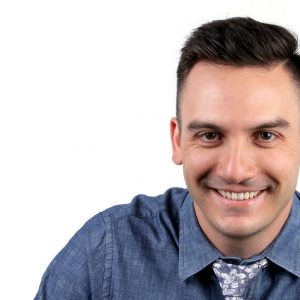
The clinical case goes beyond the chair. Dr. Nate Lawson, Director of Biomaterials at UAB School of Dentistry, published findings that connect procedure efficiency directly to practice profitability. His research measured intraoral humidity with Isolite in place and found conditions comparable to ambient air, which matters for bonding, for sealant adhesion, and for long-term outcomes.
Dr. Nate Lawson
Independent Voices. Documented Outcomes
Inside Dentistry
Pediatric eBook
Insights from four leading pediatric dentists on safety, efficiency, and patient compliance. Features Dr. Tyler Hanks, Dr. Rachel Bresler, Dr. Adrien Theriot, and Dr. McMahon.
Isolite: Dentist-Tested,
Kid-Approved
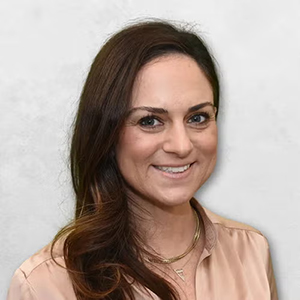
Dr. Adrien Theriot shared her experience using Isolite to keep her patients safe and comfortable during treatment, while also improving practice efficiencies and final outcomes
Your “third hand” in pediatric dentistry — less stress, more smiles
Dr. Lawrence Kotlow discusses products that make dentistry easier and more comfortable in this Pediatric Dental Practice Magazine article
Kids Just Feel Safe
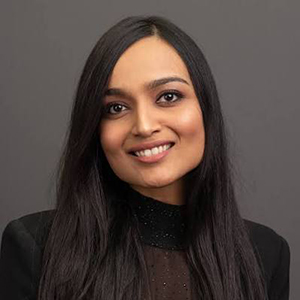
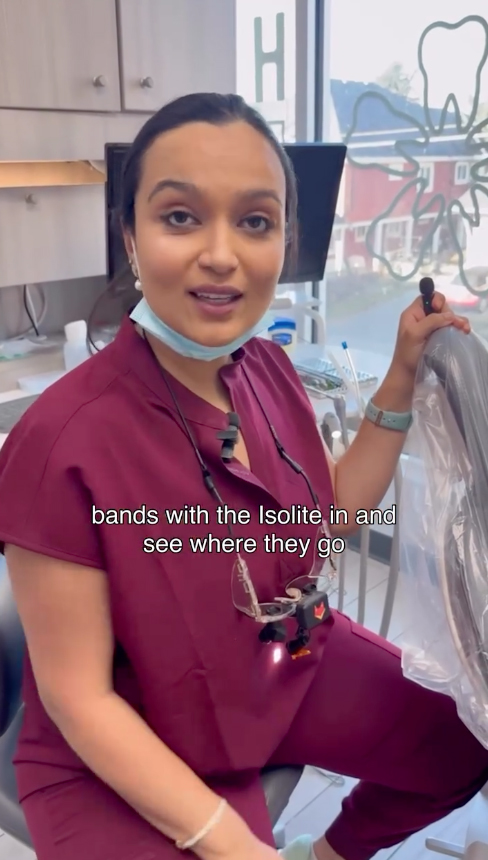
For Dr. Nidhi Kotak, airway safety is the number one reason she uses the Isolite system when treating pediatric patients.
When kids feel
safe and comfortable,
everyone wins!
Less anxiety for children, more confidence for parents, and a predictable workflow for your team
Isolite has a unique ability to settle younger patients when placed:
- No taste of fluids or nasty etch
- Continuous evacuation, minimizing fear of drowning or swallowing fluid
- Child has control of fluid with their tongue by moving it to the base of the bite block where it is evacuated
- Won’t slip out once placed
Real Talk from Real Dentists
Real Doctors. Real Practices.
Get Isolite!
You’ve seen what it does for other practices. Take the next step and find out just how much it can do for yours.
Find the right Isolite system to fit your practice.
Frequently Asked Questions:
Is Isolite really worth what it costs?
That's the right question to ask. Based on what practicing dentists say, the answer is consistent. Dr. Ankur Gupta: "I've never met somebody who regretted having an Isolite in their office." Dr. Rachel Bresler says the efficiency it adds to a practice easily makes up for the expense. The value shows up in procedure times, clinical outcomes, and the daily experience of working chairside -- not just in theory.
How does Isolite compare to cotton rolls or rubber dams?
Cotton rolls get soggy and require mid-procedure changes, interrupting workflow and re-contaminating the field. Rubber dams are time-consuming to place and uncomfortable for many patients. Isolite handles retraction, suction, illumination, and bite block support simultaneously without pausing the procedure. Dr. Joshua Austin calls it "the most sophisticated answer on the market." Dr. Christina Do, who previously used rubber dams, says they would tear and were claustrophobic for patients. Isolite removes the trade-off between isolation quality and patient comfort.
What does Isolite actually do that I don't already have?
It combines four things into one hands-free device -- tongue and cheek retraction, continuous dual-channel suction, an integrated bite block, and for Isolite Pro, shadowless LED illumination. All of it works simultaneously throughout the procedure without repositioning. Your assistant is no longer stationed at the patient's side managing suction. That changes what they can do with their time.
How do I make the case for this to my office manager or partner?
Start with the time-savings data. Crown prep from 37 minutes to 26. Sealants from 45 to 20. Dr. Al Burns doubled his efficiency. Dr. Mollie Rojas redirected her assistant from holding suction to prepping for the next step -- or attending to another patient entirely. When you translate time savings into appointment capacity and assistant productivity, the economics become concrete. The Dentaltown eBook and the Modern Approach to Efficient Dentistry PDF give you published numbers to show, not just anecdotes to repeat.
How does this affect how many patients I can see?
Isolite doesn't change your fee schedule, but it changes throughput. If procedure times drop 25 to 50 percent, the same hours accommodate more appointments. Dr. Nate Lawson at UAB School of Dentistry published that cutting procedure times enables the performance of additional procedures and boosts practice profitability. The economic argument isn't higher fees -- it's more procedures in the same time.
What happens to my assistant's role?
Isolite changes what your assistant does, not whether you need one. With suction handled by the device, your assistant is free to prep materials, hand instruments, or help with another patient. Dr. Tarun Agarwal said he immediately saw the value in freeing his assistant from suctioning -- she could contribute more effectively to the procedure. The role becomes more productive, not redundant. For practices considering expanding capacity, that matters.
How quickly will I see a return?
Dr. Brett Titensor says it's immediate: "It's a small upfront investment, but you'll see an instant return." The time savings show up in the first procedure. Whether that translates to fitting more patients in the day, reducing end-of-day overtime, or working with significantly less stress, but the efficiency gain starts day one.
Can you show me actual numbers?
Published clinical data shows crown prep time dropping from 37.3 minutes to 25.9 minutes. Sealants go from 45 minutes to 20. That's 25 minutes back per sealant. Dr. Elaine Bylis measured a 25% reduction in overall procedure time after switching. Dr. Al Burns, a 15-year Isolite user, says his procedures now take half the time they used to. These numbers come from published evaluations, not marketing estimates.
The upfront cost is significant. How do I think about it?
Dr. Mollie Rojas calls it "such a low investment for what you get out of it." The framing that tends to resonate most is this: what does each recovered minute cost your practice when you don't have it? If a sealant takes 45 minutes instead of 20, that's 25 minutes per procedure that could be used differently. Across a week of sealant appointments, the math changes the conversation from cost to capacity.
Is there any risk if I try it and it doesn't work for my practice?
Zyris offers a 30-Day Money Back Guarantee. If Isolite doesn't work for your practice within the first 30 days, you can return it. That removes the biggest hesitation around a high upfront investment -- the fear that you're locked in if it doesn't deliver. And to make sure you get the most out of it from day one, Zyris includes free live and on-demand training. If something isn't working or you want to go deeper on a procedure type, the support is there. The dentists in this campaign say it delivered. The guarantee and the training mean you can find that out for yourself with confidence.
What's included and what are the ongoing costs?
The Isolite system comes with a Customer Success Kit that includes everything a practice needs to get started. Most offices won't need to purchase anything additional beyond mouthpieces, which are the only ongoing consumable. Adapter needs vary depending on patient volume, but for a typical practice the Kit covers it. Zyris also includes free live and on-demand training -- not just at setup, but ongoing, with no expiration. The idea behind the Kit is straightforward: you shouldn't have to figure out what else you need after the purchase. It's all there.
What about clinical outcomes -- does better isolation actually produce better dentistry?
Dr. Elaine Bylis says Isolite gives her complete and total moisture isolation without a shadow of a doubt, and that she's doing her absolute best restorative dentistry as a result. Dr. Nate Lawson's research measured intraoral humidity with Isolite in place and found conditions comparable to ambient air -- which matters for bonding strength, sealant adhesion, and long-term restoration outcomes. Fewer redos and remakes show up in the practice economics too, though they're harder to quantify until you're no longer dealing with them.